bladder cancer
WHAT IS BLADDER CANCER?
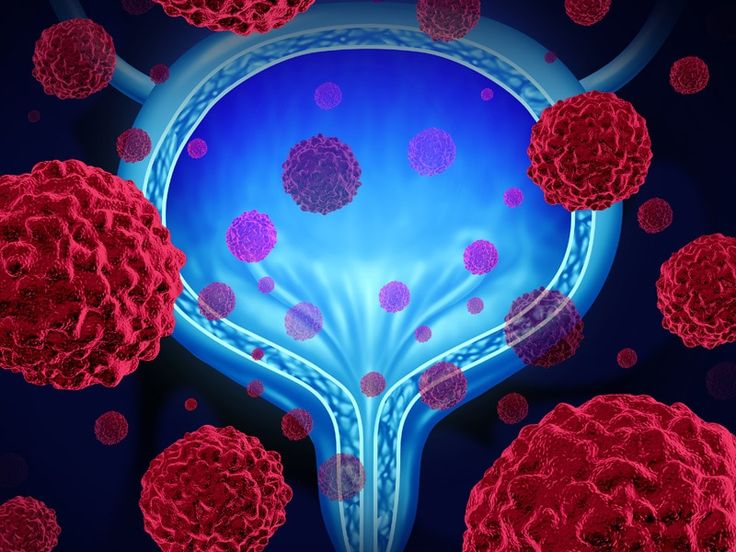
Bladder cancer occurs when cells in the bladder start to grow without control. The bladder is a hollow, balloon-shaped organ in the lower part of the abdomen that stores urine.
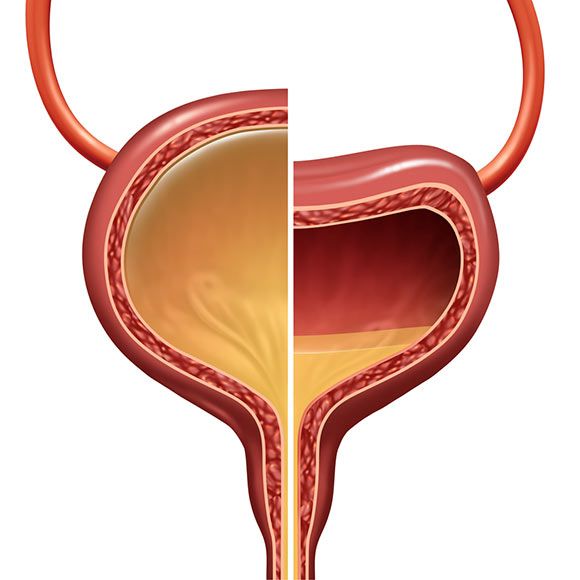
The bladder has a muscular wall that allows it to get larger to store urine made by the kidneys and to shrink to squeeze urine out of the body. There are two kidneys, one on each side of the backbone, above the waist. The bladder and kidneys work together to remove toxins and wastes from your body through urine:
Tiny tubules in the kidneys filter and clean the blood.
These tubules take out waste products and make urine.
The urine passes from each kidney through a long tube called a ureter into the bladder.
The bladder holds the urine until it passes through a tube called the urethra and leaves the body.
The bladder has a muscular wall that allows it to get larger to store urine made by the kidneys and to shrink to squeeze urine out of the body. There are two kidneys, one on each side of the backbone, above the waist. The bladder and kidneys work together to remove toxins and wastes from your body through urine:
Tiny tubules in the kidneys filter and clean the blood.
These tubules take out waste products and make urine.
The urine passes from each kidney through a long tube called a ureter into the bladder.
The bladder holds the urine until it passes through a tube called the urethra and leaves the body.
TYPES OF BLADDER CANCER
Urothelial carcinoma (also called transitional cell carcinoma) is cancer that begins in the urothelial cells, which line the urethra, bladder, ureters, renal pelvis, and some other organs. Almost all bladder cancers are urothelial carcinomas.
Urothelial cells are also called transitional cells because they change shape. These cells are able to stretch when the bladder is full of urine and shrink when it is emptied.
Other types of bladder cancer are rare:
Squamous cell carcinoma:
Is cancer that begins in squamous cells (thin, flat cells lining the inside of the bladder). This type of cancer may form after long-term irritation or infection with a tropical parasite called schistosomiasis, which is common in Africa and the Middle East but rare in the United States. When chronic irritation occurs, transitional cells that line the bladder can gradually change to squamous cells.
Adenocarcinoma:
Is cancer that begins in glandular cells that are found in the lining of the bladder. Glandular cells in the bladder make mucus and other substances.
Small cell carcinoma of the bladder is cancer that begins in neuroendocrine cells (nerve-like cells that release hormones into the blood in response to a signal from the nervous system).
Urothelial cells are also called transitional cells because they change shape. These cells are able to stretch when the bladder is full of urine and shrink when it is emptied.
Other types of bladder cancer are rare:
Squamous cell carcinoma:
Is cancer that begins in squamous cells (thin, flat cells lining the inside of the bladder). This type of cancer may form after long-term irritation or infection with a tropical parasite called schistosomiasis, which is common in Africa and the Middle East but rare in the United States. When chronic irritation occurs, transitional cells that line the bladder can gradually change to squamous cells.
Adenocarcinoma:
Is cancer that begins in glandular cells that are found in the lining of the bladder. Glandular cells in the bladder make mucus and other substances.
Small cell carcinoma of the bladder is cancer that begins in neuroendocrine cells (nerve-like cells that release hormones into the blood in response to a signal from the nervous system).
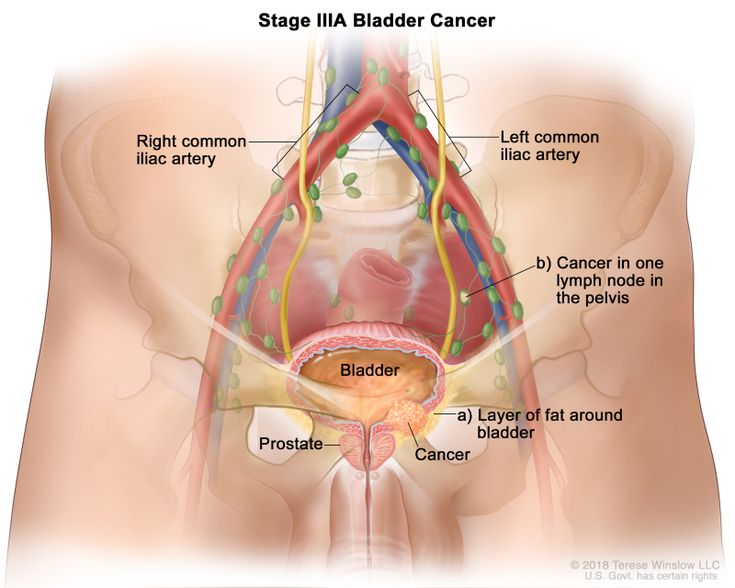
There are other ways to describe bladder cancer:
Non-muscle-invasive bladder cancer:
Is cancer that has not reached the muscle wall of the bladder. Most bladder cancers are non-muscle-invasive.
Muscle-invasive bladder cancer:
Is cancer that has spread through the lining of the bladder and into the muscle wall of the bladder or beyond it.
Is cancer that has not reached the muscle wall of the bladder. Most bladder cancers are non-muscle-invasive.
Muscle-invasive bladder cancer:
Is cancer that has spread through the lining of the bladder and into the muscle wall of the bladder or beyond it.