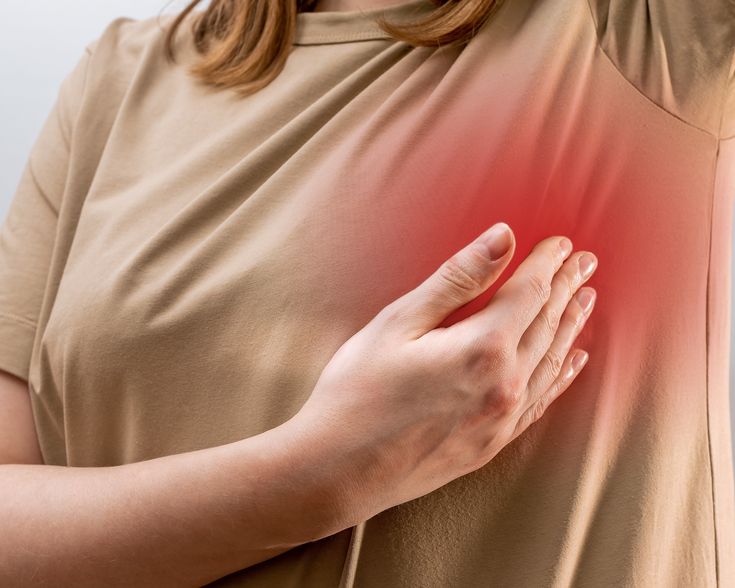
🎗️ About Breast Cancer:
Breast cancer is the most common cancer in women worldwide. It begins when cells in the breast grow abnormally and form a lump or tumor. Early detection greatly improves the chances of successful treatment.
Risk Factors: Family history, age (40+), obesity, hormonal factors, alcohol, smoking.
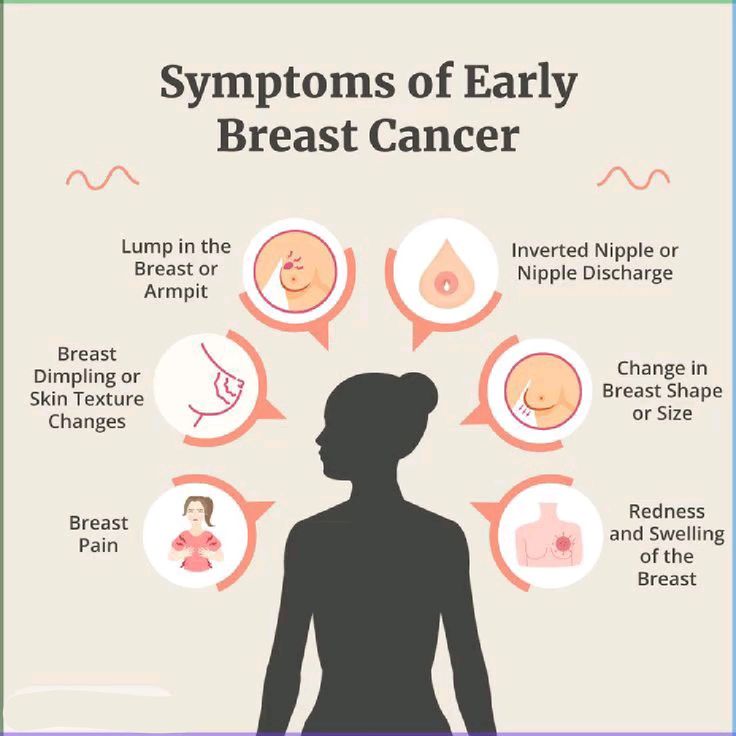
Warning Signs:
A new lump in the breast or underarm.
Changes in breast size, shape, or skin texture.
Nipple discharge or inversion.
Prevention & Early Detection:
Monthly self-breast exams.
Regular mammograms after age 40 (or earlier if high risk).
Maintaining a healthy lifestyle (balanced diet, exercise, no smoking).
Early action saves lives. If you notice any change, see a healthcare provider right away.
What are the common signs and symptoms of breast cancer?
If any of these breast or nipple changes occur, make an appointment to see your healthcare provider.
Breast lump.
Nipple changes.
Dimpling in your breast (like an orange peel)
Swollen breast.
Lump in your underarm
Nipple discharge – particularly concerning is spontaneous or bloody discharge. Stimulation of the breasts, hormones, pregnancy and lactation can cause normal nipple discharge.
Breast or nipple pain.
Nipple retraction (inward into the breast).
Red, itchy, scaly or thick skin on your breast.