SKIN CANCER IN WOMEN
Skin cancer is one of the most common cancers affecting women worldwide. While awareness is growing, many women still underestimate the risks of sun exposure and tanning. Early education and prevention can help reduce cases significantly.

Why Women Are at Risk?
Beauty & Tanning Trends: Women who use tanning beds or sunbathe for long periods are at higher risk.
Sun Exposure in Daily Life: Driving, walking, or outdoor activities without sunscreen can lead to UV damage.
Hormonal Factors: Research suggests hormonal changes (such as during pregnancy or menopause) may influence skin sensitivity.
Thin or Delicate Skin Areas: Women’s skin is often thinner in certain areas (like the face and neck), making these spots more vulnerable to UV rays.
Fashion Choices: Wearing sleeveless dresses, shorts, or open footwear exposes more skin to sunlight compared to men, increasing the chances of UV damage.
Cultural Habits: In some regions, fair skin is considered more attractive, leading to risky skin-lightening treatments or intentional avoidance of sunscreen.
Neglecting Sunscreen Reapplication: Even women who use sunscreen may forget to reapply it every 2–3 hours, reducing its effectiveness.

Early Warning Signs to Watch For
New spots, moles, or growths on the skin.
A mole that changes in color, size, or shape.
Persistent itching, bleeding, or scabbing patches.
Dark streaks under nails (a rare but possible sign of melanoma).
Sores That Do Not Heal
Chronic wounds or ulcers that remain open or keep coming back.Red, Scaly, or Rough Patches
Can indicate squamous cell carcinoma, especially on lips, ears, or hands.Shiny or Pearly Bumps
Common in basal cell carcinoma—appears as smooth, dome-shaped growths.
Prevention Tips for Women:
Daily Sunscreen Use: Apply SPF 30+ even on cloudy days.
Protective Clothing: Wear hats, sunglasses, and long sleeves when outdoors.
Avoid Tanning Beds: Artificial UV rays are just as harmful as the sun.
Skincare Routine: Include sun protection in daily beauty care.
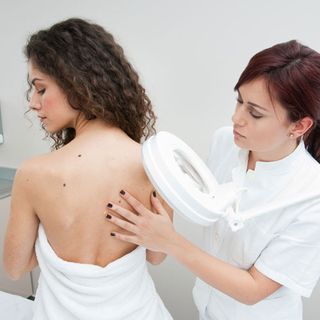
Regular Skin Checks: Examine skin monthly and visit a dermatologist annually.
When diagnosed early, skin cancer is highly treatable. Women are often more proactive with health checkups—this can be an advantage in detecting skin cancer at the earliest stage.
Skin Cancer and Lifestyle Awareness:
Educate young women about the dangers of tanning.
Encourage safe sun habits in children and teens.
Spread awareness through social media and community programs.
Skin cancer in women is preventable with the right habits and awareness. Protecting your skin today means protecting your health in the long run. Regular checks, sun safety, and early detection can save lives.